Sponsored article
What features set gothic chasubles apart in terms of unique designs and motifs?
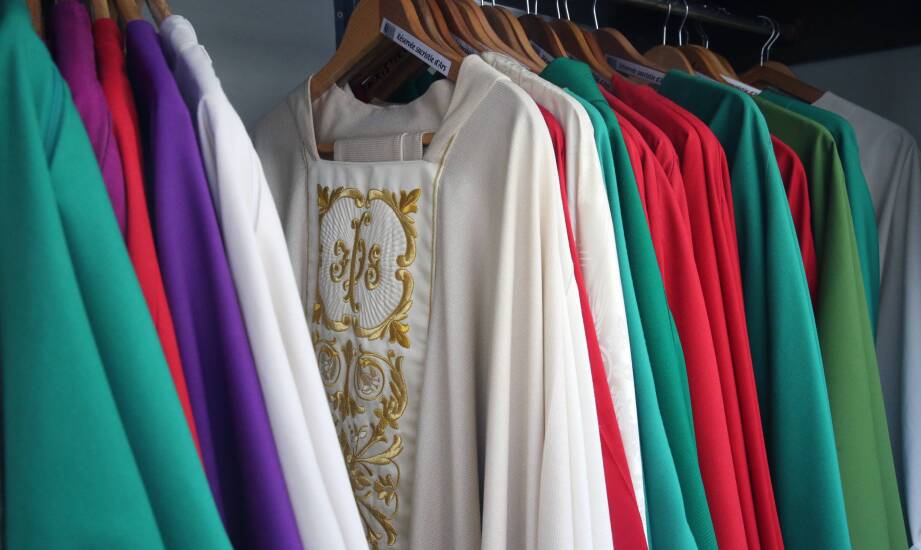
- How does the Gothic cut organize the symbolism and hierarchy of the liturgical garment?
- Why do the cross motifs in Gothic chasubles remain timeless?
- How do craftsmanship and materials determine the uniqueness of a Gothic chasuble?
- Gothic chasuble as a cohesive synthesis of form, symbol, and craftsmanship
A Gothic chasuble is much more than a piece of liturgical attire. It is a thoughtfully crafted composition of form, symbol, and craftsmanship, which for centuries has organized the realm of the sacred and granted the celebration its due significance. The unique designs and motifs found in Gothic chasubles are not the results of passing trends but are the conscious selection of tradition, proportions, and meanings. If you are seeking liturgical vestments that blend deep symbolism with high-quality craftsmanship and aesthetic discipline, it's worth taking a closer look at what truly distinguishes the Gothic style.
How does the Gothic cut organize the symbolism and hierarchy of the liturgical garment?
Gothic chasubles are distinguished by their wide, majestic cut and a characteristic Y-shaped pattern derived from medieval liturgical tradition. This arrangement is no coincidence—it guides the eye vertically, enhancing the theological message and emphasizing the significance of the celebration. Patterns distributed symmetrically organize the composition and lend it clarity, just as the color scheme and cut of a cardinal cassock clearly communicate function and dignity within the Church hierarchy. In a Gothic chasuble, form does not compete with content but reinforces it, building visual discipline and a sense of the sacred.
Why do the cross motifs in Gothic chasubles remain timeless?
The cross, present along the central axis of the design, is the most commonly encountered motif in Gothic chasubles, though its form can be varied and deeply rooted in history. Stylizations inspired by the Jerusalem or Maltese cross are simplified, bold, and readable even from a distance, which is significant during liturgy performed before a congregation. These embroidered designs are not mere decorations—their purpose is to strengthen the message and focus attention on the celebration. It is this consistency in symbolism and restraint in embellishments that ensure Gothic designs remain relevant.
How do craftsmanship and materials determine the uniqueness of a Gothic chasuble?
The uniqueness of Gothic chasubles is determined not only by design but also by the technique and choice of fabrics. Materials with a distinct texture, such as damask or velvet, interact with light and accentuate the depth of embroidery, giving the vestment a noble character. The offerings presented by the manufacturer Ars Sacra reveal a commitment to liturgical coherence: color, motif, and cut form a single, thoughtfully conceived whole. This way, a Gothic chasuble becomes not only a piece of the celebrant's attire but also a conscious tool of symbolic communication within the sacred space.
Gothic chasuble as a cohesive synthesis of form, symbol, and craftsmanship
Gothic chasubles stand out for their consistent compositional order, rooted in medieval tradition, where a wide cut and Y-shaped pattern give the vestment a clear structure and elevated character. The central motifs of the cross, simplified and clear, serve a symbolic and liturgical function, enhancing the celebration's message without excessive embellishment. The whole is completed by the conscious selection of fabrics and colors that interact with light and emphasize the ceremony's importance, making the Gothic chasuble not only part of the attire but a deliberate tool of sacred communication.
You might be interested

What is Deburring and How Is It Conducted?
The latest collections of polish ceramics – what to have in your kitchen?

What are the best materials for waterproof entrance doormats?