Sponsored article
What is Deburring and How Is It Conducted?
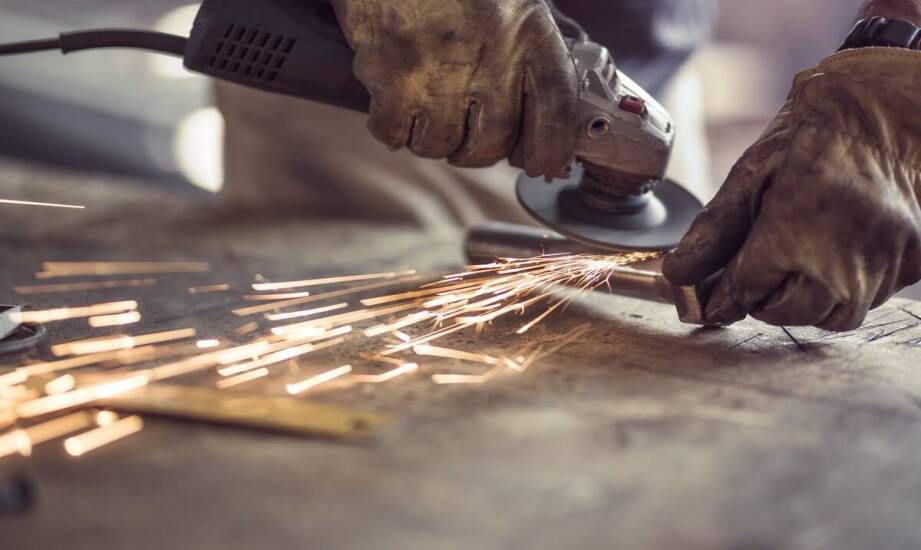
In the metallurgy industry, numerous processing techniques are employed. One such process is deburring. Find out what it exactly involves and the purpose it serves. Also, learn how the deburring of metal surfaces can be carried out.
Read more: How to choose the type of welding machine to suit your needs?
What is deburring?
Deburring is an essential process in material processing, aimed at removing excess material from surfaces, resulting in smoothness and aesthetics. This stage is crucial in various sectors related to the metallurgy industry, where precision and quality of execution are indispensable. Deburring technology ensures high product quality and increases production efficiency, making it an integral part of modern manufacturing processes.
Read more: The role of deburring machines in improving the quality of metal surfaces – why is it important?
What do manual deburring methods involve?
Manual deburring is a traditional method of removing metal contaminants that requires precise operator action. Various tools, such as scrapers, are used in this technique to thoroughly clean the material's surface. Advantages of manual deburring include primarily low costs and the ability to precisely adapt to individual needs. However, its downside is the time associated with surface processing and sometimes low accuracy, especially for elements with complex geometry.
Read more: How to Choose a Company for Kitchen Renovation?
How is deburring conducted in an automated process?
The automation of deburring processes is gaining popularity due to increased efficiency and repeatability. In the automated deburring process, various types of machines are used, differing in working width and functions. These devices, offered by the company Madora, are tailored to the individual needs of clients, allowing optimal utilization of their capabilities. The application of automated solutions in production brings numerous benefits.
What are the benefits of using deburring machines?
The use of deburring machines brings great benefits in the industry. It primarily increases production efficiency by enabling quick and precise removal of material contaminants. This makes the process less time-consuming, resulting in greater plant efficiency. These machines also improve work safety by eliminating the need for this task to be performed manually. The high quality of execution and reliability of the equipment minimize the risk of failures. Another advantage is the improvement in the quality of the final product – precise removal of burrs guarantees better mechanical and aesthetic properties of components, which is especially important in industries requiring high standards.
The Importance of Deburring in Material Processing
Deburring is a key process in material processing, involving the removal of excess material from surfaces to ensure their smoothness and aesthetics. The article discusses deburring methods, including traditional manual deburring, which requires precise operator action, and automated deburring, which increases the efficiency and repeatability of production processes. It highlights the importance of selecting appropriate deburring tools and the benefits of using machines, such as improving processing quality, work safety, and production efficiency.
You might be interested

How to Choose a Company for Kitchen Renovation?

Why are plastic petri dishes preferred in biological laboratories?
The impact of temperature stability on the hot smoking process
